Apple Tree Removal in Allentown, PA
Apple tree removal services involve the careful elimination of apple trees that are no longer desired, pose safety concerns, or require clearance for construction or landscaping projects. These services typically cover the complete removal of the tree, including roots, to prevent regrowth, as well as cleanup of debris. Homeowners often request apple tree removal when trees become diseased, damaged, or overcrowded, or if they are interfering with other landscape features or structures on the property.
Before requesting apple tree removal, property owners usually want to understand the scope of work involved, including the potential impact on surrounding plants and structures. It is also common to inquire about any necessary permits or approvals, especially if the tree is located near property lines or protected areas. Clarifying these details can help ensure the removal process proceeds smoothly and aligns with local regulations and property goals.
Many property owners in Allentown, PA look into Apple Tree Removal for repairs, replacements, upgrades, and appearance-related improvements.
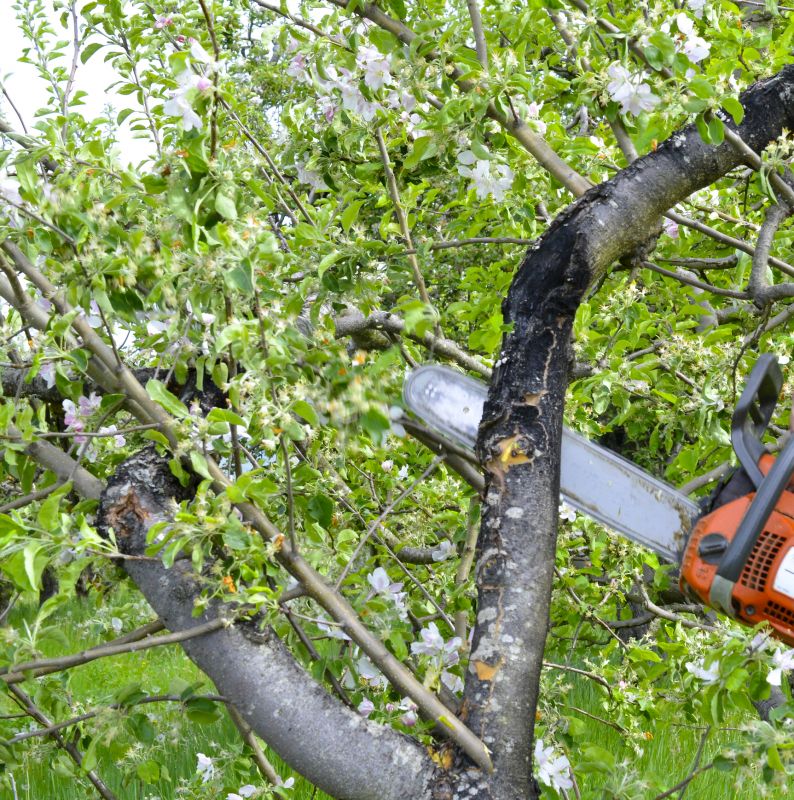
Reasons For Tree Removal
Trees may need removal due to disease, damage, or safety concerns on residential properties.
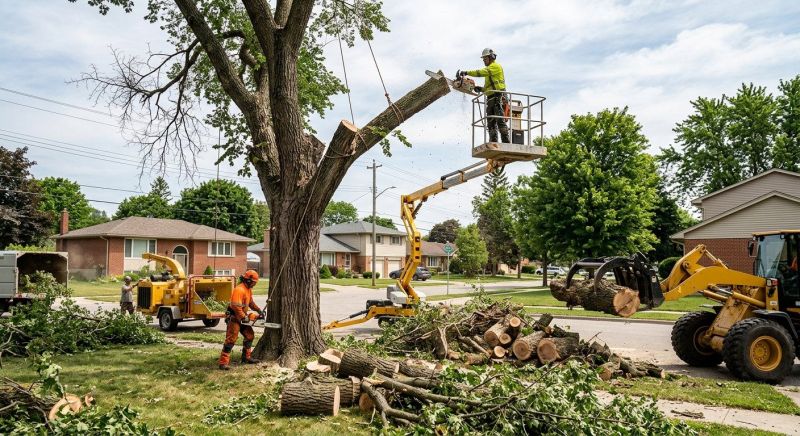
Tree Removal Process
Proper tree removal involves careful planning to ensure safety and minimal impact on the surrounding landscape.
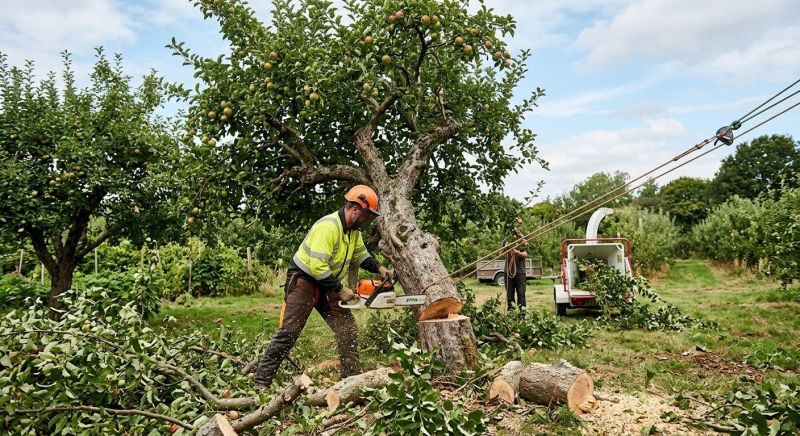
Post-Removal Cleanup
After removal, property owners can expect thorough cleanup to restore the yard's appearance and safety.
Apple Tree Removal in Allentown, PA
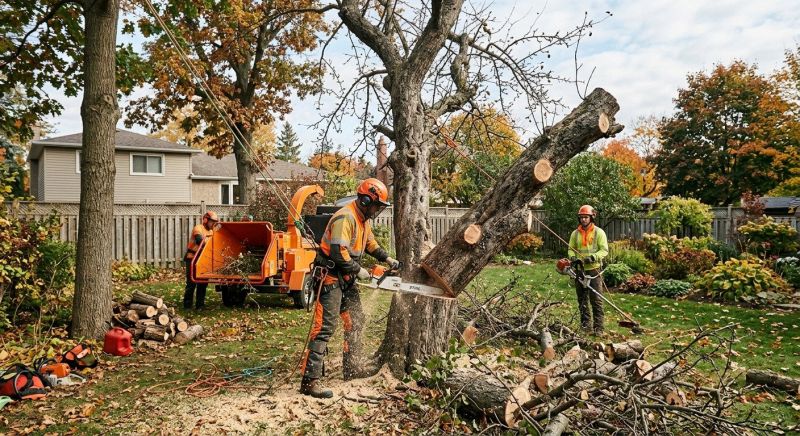
Apple tree removal services involve the careful elimination of apple trees that are no longer desired, pose safety concerns, or require clearance for construction or landscaping projects. These services typically cover the complete removal of the tree, including roots, to prevent regrowth, as well as cleanup of debris. Homeowners often request apple tree removal when trees become diseased, damaged, or overcrowded, or if they are interfering with other landscape features or structures on the property.
Before requesting apple tree removal, property owners usually want to understand the scope of work involved, including the potential impact on surrounding plants and structures. It is also common to inquire about any necessary permits or approvals, especially if the tree is located near property lines or protected areas. Clarifying these details can help ensure the removal process proceeds smoothly and aligns with local regulations and property goals.
Many property owners in Allentown, PA look into Apple Tree Removal for repairs, replacements, upgrades, and appearance-related improvements.
Common Apple Tree Removal Jobs
Apple Tree Removal - Safely removing damaged or diseased apple trees to protect property and other plantings.
Apple Tree Trimming - Pruning apple trees to promote healthy growth and improve fruit production.
Stump Removal - Eliminating leftover tree stumps to prevent pest issues and clear the landscape.
Emergency Tree Removal - Addressing storm-damaged or hazardous apple trees quickly and efficiently.
Tree Health Assessments - Evaluating apple trees for signs of disease or structural issues requiring removal.
Root Removal - Extracting invasive roots that may threaten foundations or underground utilities.

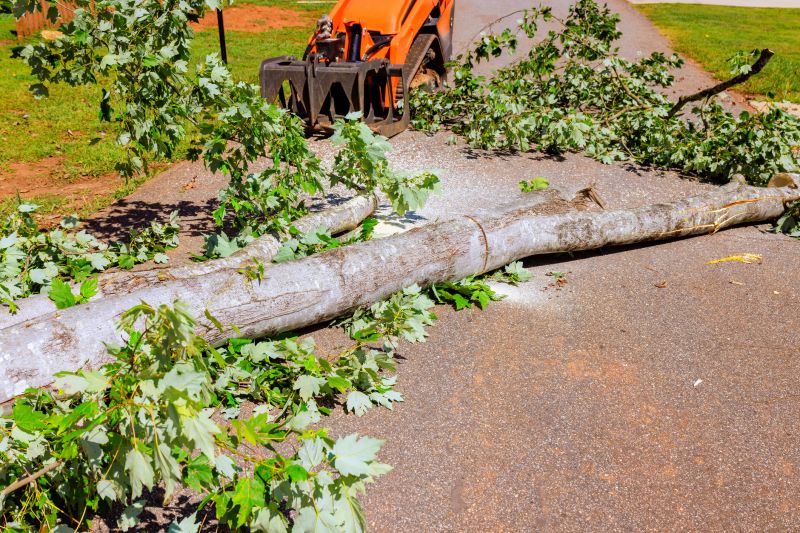
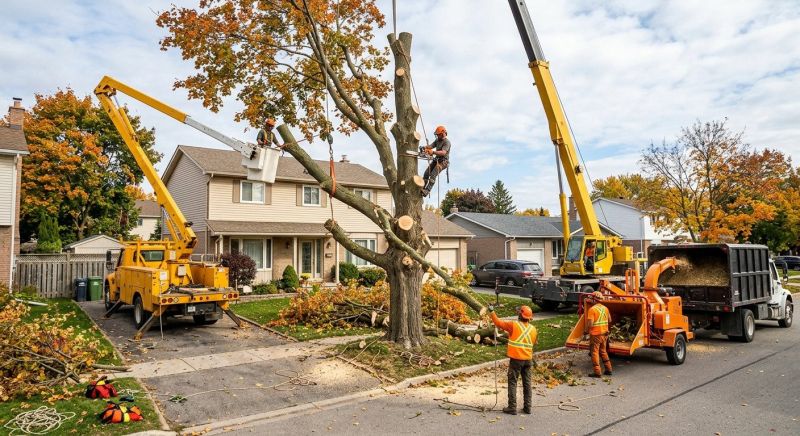
Apple Tree Removal Questions
Why remove an apple tree? Removal may be necessary if the tree is diseased, damaged, or poses safety concerns on the property.
Is tree removal disruptive to the landscape? Proper planning can minimize impact, and the process typically involves careful cleanup of debris and stump grinding.
When is the best time to remove an apple tree? Dormant seasons, such as late winter or early spring, are often ideal for tree removal to reduce stress on nearby plants.
What should property owners consider before removal? It's important to assess the tree's location, size, and condition to determine the most appropriate removal method and any necessary permits.
Request Apple Tree Removal in Allentown, PA
Use the quote form on this page to share the basics of your project and request more information for the type of work you need.